


Construction and vehicle dealerships work in a very competitive environment where every incoming lead represents potential revenue. Yet despite investment in marketplaces, advertising, and lead generation, many opportunities never turn into sales for a simple reason: lack of consistent follow-up.
Leads come in, conversations begin, interest is shown – and then everything stops. Not because the buyer made a final decision, but because attention shifted elsewhere. Buyers get distracted, compare multiple options, or postpone their decision. In many cases, they simply forget to respond. Does this sound familiar?
This is where the importance of following up becomes clear. A simple follow-up is often the only difference between a lost opportunity and a closed deal. More importantly, it allows dealerships to improve lead conversion into sales without increasing marketing spend or generating more leads.
This article explains why follow-ups matter, why dealerships often fail to execute them effectively, and how structured processes can turn missed conversations into consistent revenue.

Why Follow-Ups Are Often Missed
In many dealerships, the issue is not awareness but execution. Sales teams understand that follow-ups are important, but daily operations make consistency difficult.
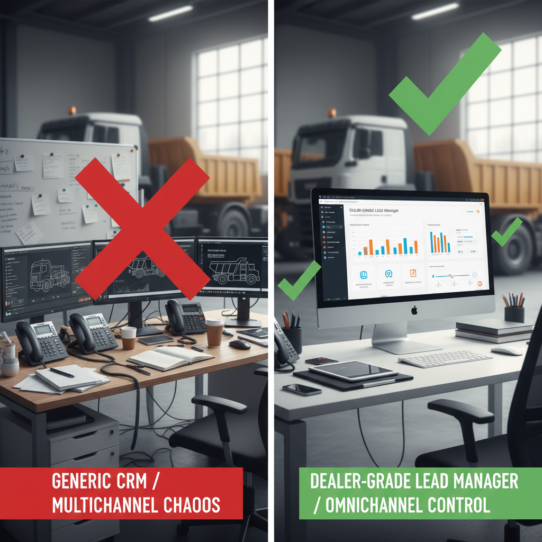
Leads arrive through multiple channels at the same time. A single buyer might send an inquiry through a marketplace, follow up via email, and later reach out on WhatsApp. Managing these interactions without a centralized system quickly becomes overwhelming. Salespeople rely on inboxes, phone logs, or memory to track conversations. Over time, even strong leads get lost in the process. What started as a promising opportunity slowly disappears simply because no one reached out again.
Timing is another critical factor. Follow-ups are most effective when they happen at the right moment. Without reminders or structured systems, responses are often delayed. By the time a dealership follows up, the buyer may have already moved on or lost urgency.
Consistency also plays a major role. Writing follow-up messages manually takes time, especially when dealing with multiple leads. As a result, outreach becomes irregular. Some leads receive detailed responses, while others are forgotten entirely or receive rushed, inconsistent messages.
Modern Buyers Behaviour
Today’s buyers are more informed and less predictable than ever. They explore multiple listings, contact several dealers at once, and evaluate different offers before making a decision. This creates an important reality: when a buyer stops responding, it does not necessarily mean they are no longer interested.
In many cases, the buying process is simply interrupted. A buyer may intend to reply later but forget. They may still be comparing options or waiting for additional information. Sometimes, the purchase itself is delayed due to internal decisions or budget considerations.
Without follow-up, these leads are effectively abandoned. Not because the dealership was not competitive, but because it failed to remain present during the decision-making process. Follow-ups serve as a reminder. They bring the dealership back into the buyer’s attention at the right time. Even a simple message can restart a conversation that would otherwise be lost.
The Importance of Following Up in Dealership Sales
Follow-ups are not just reminders – actually they are a core part of the sales process. They straighten interest and create additional opportunities beyond the initial inquiry.
One of their key roles is reactivating conversations. Many leads go silent after the first exchange. A follow-up gives buyers an easy way to re-engage without pressure, often leading to continued discussions. Follow-ups also help dealerships stay visible. Buyers comparing multiple suppliers are more likely to choose the one that communicates consistently. Regular, professional outreach signals reliability and commitment. Another important advantage is the ability to create second opportunities. Even if a buyer has already chosen another option, staying in touch ensures that your dealership remains relevant for future purchases.
Follow-ups also allow sales teams to guide the buyer more effectively. If the originally requested vehicle is no longer available or not the perfect fit, a follow-up creates a natural moment to suggest alternatives. This flexibility increases the chances of conversion. Finally, consistent follow-up builds trust. High-value purchases require confidence in the seller. Dealerships that communicate clearly and regularly demonstrate professionalism, which directly influences buying decisions.

Advantages of a Proactive Approach
Dealerships that treat follow-up as a structured process rather than an occasional task see clear improvements in performance.
- The most immediate impact is higher conversion rates. More leads stay active, more conversations continue, and more deals reach completion. Instead of relying solely on new inquiries, dealerships maximize the value of leads they already have.
- Follow-ups also improve efficiency. Instead of constantly chasing new leads, sales teams focus on nurturing existing opportunities. This leads to better results with the same or even less effort.
- Another advantage is stronger customer relationships. Buyers remember dealerships that stay engaged and responsive. This not only increases the likelihood of closing the current deal but also creates future opportunities.
Over time, consistent follow-up contributes to more predictable sales performance. Rather than depending on chance or timing, dealerships build a pipeline that is actively managed and continuously moving forward.
When Follow-Ups Lack Structure
While follow-ups are essential, unstructured approaches often create new challenges: When sales teams manage follow-ups manually, important details can be missed. Messages may be delayed, conversations may lose context, and communication may become inconsistent. Copy-pasting messages without proper organization introduces errors and reduces personalization. Buyers may receive outdated or irrelevant information, which negatively affects their perception of the dealership. Lack of visibility is another issue. Without a clear overview of which leads require attention, sales teams cannot prioritize effectively. Some opportunities receive too much focus, while others are ignored completely.
Over time, these inefficiencies limit growth. The dealership may generate a high volume of leads but fail to convert them due to gaps in the follow-up process.
Creating an Effective Follow-Up Process
Consistency is what keeps opportunities alive. Follow-ups should happen at defined intervals so that no lead is forgotten. In practice, however, maintaining this consistency manually is difficult. Sales teams are managing multiple conversations at once, and even well-organized processes can break under daily pressure.
This is where structured systems make a difference. With Copilot, follow-ups are no longer dependent on memory or manual tracking. Reminders are automatically created, ensuring that every lead is revisited at the right time. Instead of relying on individual discipline, the process becomes reliable and repeatable across the entire team.
Relevance is equally important. Each follow-up should provide value to the buyer, whether it is additional details, availability updates, or alternative suggestions. Writing these messages from scratch every time slows down the process and often leads to inconsistencies.
- Copilot simplifies this by allowing dealerships to create follow-up templates tailored to different scenarios. These templates can be sent automatically or used as a starting point, ensuring that communication remains both consistent and professional while saving time.
Context is another critical element. Without full visibility into previous conversations, follow-ups can feel disconnected or repetitive. Buyers may be asked the same questions again, or important details may be overlooked.
- With Copilot, all communication is centralized and easily accessible. Sales teams can instantly see the full conversation history, making it easier to continue discussions naturally and maintain a high level of professionalism, even when multiple team members are involved.
Saving Time While Increasing Conversions
A structured follow-up process does not add complexity – it removes it.
By automating reminders, organizing communication, and standardizing messaging, Copilot reduces the time spent on administrative tasks. Sales teams can focus on engaging with buyers instead of managing workflows. This shift has a direct impact on performance. Fewer leads are forgotten, responses are more consistent, and conversations continue more naturally. As a result, dealerships improve conversion rates without increasing workload.
Efficiency and effectiveness begin to align. Instead of choosing between saving time and increasing sales, dealerships achieve both.
Getting Started
Improving follow-up processes does not require a complete transformation. The first step is introducing structure and visibility into daily operations.
By identifying inactive leads, setting up follow-up reminders, and using templates to standardize communication, dealerships can quickly create a more consistent process.
With tools like Copilot supporting these steps, follow-ups become easier to manage and more effective over time. What was once a manual and inconsistent task becomes a reliable driver of sales performance.
If you want to improve this process, it helps to understand how dealerships manage leads overall. You can learn more in our guide on managing dealership leads effectively.
Ready to take control of your leads?
Aéllo Copilot helps vehicle and machinery dealers capture, manage, and convert every lead — from every channel.
Get your free demo →