
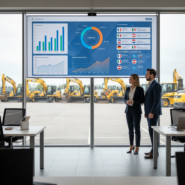

Construction machinery dealers face a unique challenge today. While local markets remain important, international inquiries are growing rapidly. Excavators, loaders, and other heavy equipment attract buyers from South America, Africa, Asia, and beyond. These international leads represent significant revenue opportunities, but they also bring complex operational hurdles.
In practice, most dealerships struggle with language barriers, logistics coordination, and follow-up consistency. Sales teams receive inquiries in multiple languages through various channels. They must then translate communications, organize transportation to ports, and maintain engagement through long sales cycles. Without proper systems, valuable opportunities slip through the cracks.
This guide provides concrete strategies for construction machinery dealers to manage international leads effectively. We’ll explore practical approaches to translation, logistics, and sales processes that actually work in real dealership environments.
Why International Leads Matter for Construction Machinery Dealers
The global construction equipment market continues to expand. Emerging economies are investing heavily in infrastructure development. This creates demand for reliable machinery from established European manufacturers. For dealers, international buyers often represent higher-value transactions with less price sensitivity.
However, these opportunities come with specific challenges. Different regions have varying equipment preferences and regulatory requirements. Payment methods and financing options differ significantly. Most importantly, communication barriers can derail even the most promising leads before they progress.
The Reality of Global Inquiries
International leads typically arrive through multiple channels simultaneously. A buyer might inquire through a marketplace like Mascus, then follow up via WhatsApp, and finally send detailed questions by email. Each communication might be in a different language or dialect. Sales teams must track all these interactions while maintaining context across the conversation.
Time zone differences further complicate matters. When a European salesperson finishes their day, buyers in Asia are just starting theirs. Delayed responses can mean lost opportunities, as international buyers often contact multiple suppliers simultaneously.
Overcoming Language Barriers in Machinery Sales
Language differences represent the most immediate challenge with international leads. Construction machinery involves technical specifications, operational requirements, and regulatory compliance details. Simple translation often misses crucial nuances that affect equipment suitability and pricing.
Many dealers start with basic tools like Google Translate or DeepL. These work for simple phrases but struggle with technical terminology and industry-specific language. More importantly, manual copy-paste translation disrupts workflow efficiency. Salespeople spend valuable time translating rather than selling.
Practical Translation Strategies
Effective dealers implement systematic approaches to language management. They create standardized templates for common inquiries about specifications, availability, and pricing. These templates get professionally translated into key languages like Spanish, Portuguese, French, and Arabic.
For dynamic conversations, some dealers use specialized tools that integrate translation directly into their communication channels. This allows sales teams to respond in their native language while buyers receive messages in theirs. The key is maintaining conversation context across translated exchanges.
Automated systems can also detect language from incoming messages and route leads accordingly. For example, Portuguese-speaking inquiries might go to a salesperson with relevant language skills or market knowledge. This improves response quality and builds buyer confidence from the first interaction.
Organizing Logistics for International Machinery Sales
Once a lead progresses toward purchase, logistics become critical. Construction machinery requires specialized transportation, customs documentation, and port coordination. International buyers expect dealers to manage or facilitate these processes competently.
Successful dealers develop relationships with reliable logistics partners. They understand Incoterms and shipping requirements for different regions. More importantly, they integrate logistics planning into their sales process from the beginning.
Port Coordination and Documentation
Different regions have preferred ports of entry with specific requirements. South American buyers might prefer Santos or Buenos Aires, while African buyers might specify Durban or Lagos. Each port has unique documentation, inspection, and clearance procedures.
Experienced dealers maintain checklists for each major destination. They coordinate with freight forwarders early in the sales process to provide accurate delivery timelines and costs. This transparency builds trust and prevents last-minute surprises that can derail deals.
Documentation management is equally important. Certificates of origin, bills of lading, and customs declarations must be accurate and complete. Many dealers use digital systems to track document preparation and submission, ensuring nothing gets missed in complex international transactions.
Managing Long Sales Cycles Across Time Zones
Construction machinery sales typically involve extended decision-making processes. International deals often take months from initial inquiry to final delivery. Maintaining engagement throughout this period requires disciplined follow-up systems.
Time zone differences complicate regular communication. When European sales teams are available, Asian or American buyers might be sleeping or working different hours. This creates natural delays that can frustrate both parties.
Structured Follow-Up Systems
Successful dealers implement structured follow-up schedules that account for time zone differences. They use calendar systems that show appropriate calling hours for each region. Automated reminders ensure no lead gets forgotten during long decision cycles.
Communication preferences also vary by region. Some buyers prefer email for detailed specifications, while others use WhatsApp for quick questions. Understanding and accommodating these preferences improves engagement and builds stronger relationships.
Regular status updates keep buyers informed without overwhelming them. These might include production updates, shipping schedules, or documentation progress. Consistent communication demonstrates professionalism and maintains momentum through long sales processes.
Centralizing International Lead Management
International leads arrive through multiple channels simultaneously. A single buyer might inquire through a marketplace, send an email, and make a phone call within hours. Without centralization, sales teams struggle to maintain complete conversation history.
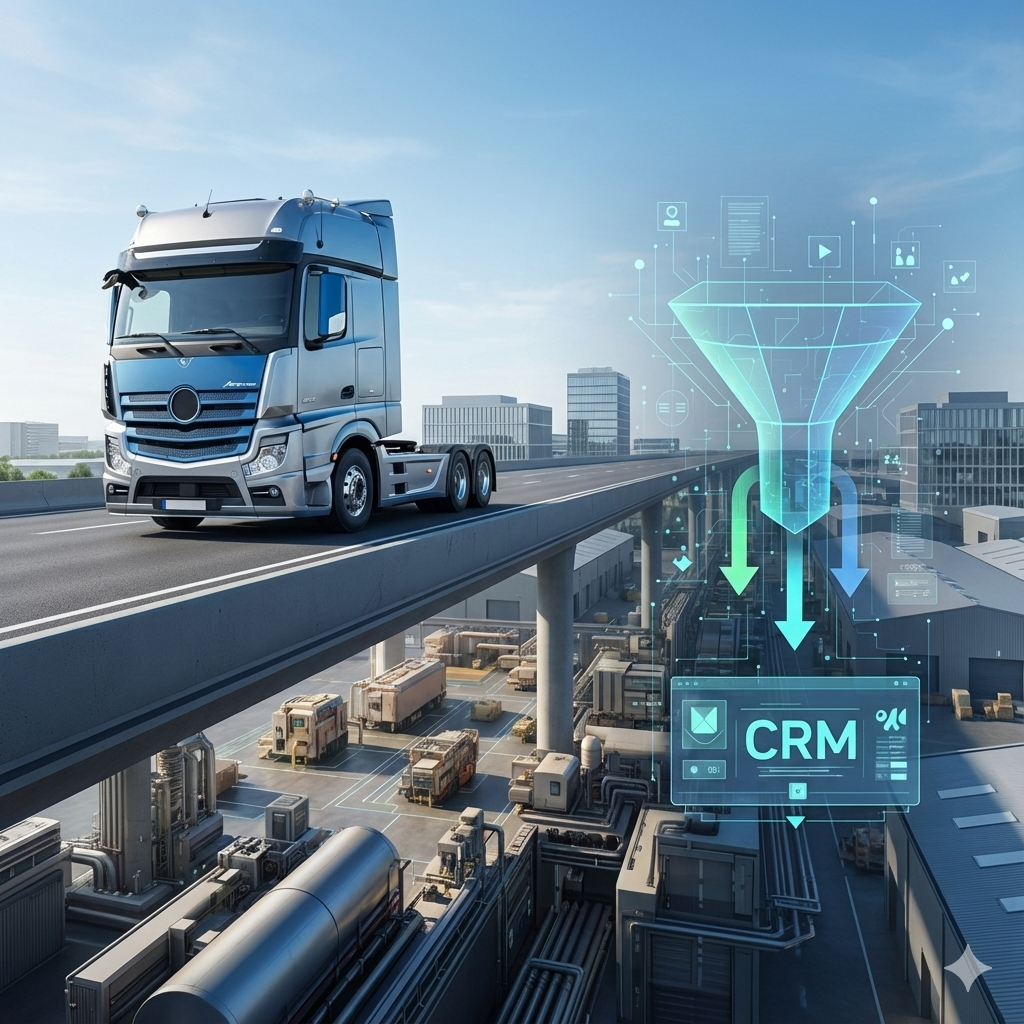
Many dealers use lead centralization systems to capture all inquiries in one place. This includes leads from international marketplaces, direct emails, and messaging platforms. Centralization provides complete visibility into each opportunity’s status and history.
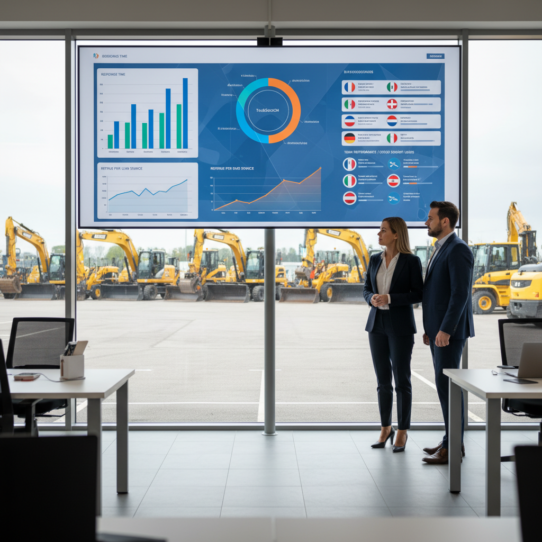
For construction machinery dealers, centralization is particularly valuable for international leads. It allows sales managers to monitor progress across time zones and languages. They can ensure proper follow-up and identify bottlenecks before they affect deal closure.
Automated Capture and Organization
Advanced systems automatically capture leads from international marketplaces and communication channels. They organize inquiries by language, region, and equipment type. This automation saves sales teams hours of manual data entry each week.
Automatic language detection helps route leads to appropriate team members. Country identification from phone numbers or email domains provides context for sales conversations. These features help sales teams prepare better for each interaction.
Centralized systems also track response times and follow-up consistency. For international leads, prompt responses are particularly important. Buyers comparing multiple suppliers often favor those who respond quickly and professionally.
Implementing Technology for Global Sales Efficiency
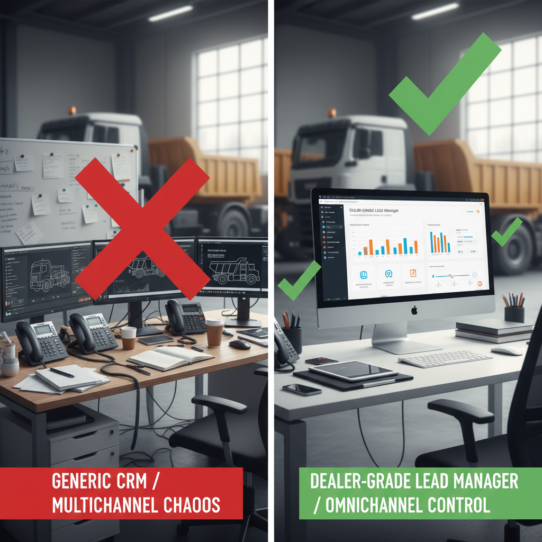
Technology plays a crucial role in managing international leads effectively. The right tools can automate translation, track logistics, and maintain follow-up schedules. However, many dealers struggle with generic solutions that don’t address their specific needs.
Construction machinery sales require specialized features. These include equipment-specific templates, international shipping integrations, and multi-language support. Generic CRM systems often lack these capabilities or require extensive customization.
Specialized Solutions for Machinery Dealers
Some dealers use platforms specifically designed for vehicle and machinery sales. These systems understand the unique requirements of international equipment transactions. They include features for marketplace integration, multi-language communication, and logistics coordination.
For example, Aello Copilot provides automated translation for incoming and outgoing communications. It detects language from messages and routes leads appropriately. The system also helps organize transportation coordination and document management for international shipments.
Such specialized tools integrate with existing dealer workflows rather than requiring complete process overhaul. They focus on practical improvements that sales teams can implement quickly without extensive training.
Measuring International Lead Performance
To improve international sales effectiveness, dealers must track key performance indicators. These metrics differ from domestic lead measurements due to longer cycles and higher values.
Important metrics include response time by region, conversion rates by language, and average deal value by destination. Logistics costs and timelines also affect profitability and should be monitored closely.
Practical Performance Tracking
Successful dealers implement simple tracking systems that provide actionable insights. They monitor which regions generate the most valuable leads and which salespeople achieve the best conversion rates. This information helps allocate resources effectively.
Time-to-close metrics help identify process bottlenecks. For international leads, common issues include documentation delays, logistics coordination, or communication gaps. Identifying these problems early allows for process improvements.
Return on investment calculations should include all costs associated with international sales. These might include translation services, additional documentation, or specialized logistics. Understanding true profitability helps prioritize regions and customer segments.
Building Sustainable International Sales Processes
Managing international leads requires sustainable processes rather than heroic individual efforts. Successful dealers develop systems that work consistently across their sales teams and regions.
Standard operating procedures should cover lead capture, qualification, communication, and logistics. These procedures must be flexible enough to accommodate regional differences while maintaining core quality standards.
Continuous Improvement Approach
International markets evolve constantly. Successful dealers regularly review and update their processes based on performance data and market feedback. They test new approaches in specific regions before rolling them out broadly.
Team training ensures consistent execution. Salespeople need understanding of cultural differences, communication preferences, and logistical requirements for their target regions. Regular knowledge sharing helps spread best practices across the organization.
Technology plays a supporting role in sustainable processes. The right tools automate repetitive tasks while providing visibility into performance. This allows sales teams to focus on building relationships and closing deals rather than administrative work.
Getting Started with International Lead Management
Improving international lead management doesn’t require complete transformation overnight. Most successful dealers start with specific improvements in their highest-priority areas.
A practical approach begins with assessing current capabilities and identifying the biggest pain points. For many dealers, language barriers or logistics coordination represent immediate opportunities for improvement.
Implementation Checklist
1. Audit current international lead sources and volumes
2. Identify top regions and languages for your equipment
3. Assess current translation capabilities and gaps
4. Review logistics partnerships and documentation processes
5. Evaluate response times and follow-up consistency
6. Select and implement appropriate technology solutions
7. Train sales teams on new processes and tools
8. Establish performance metrics and review cycles
For dealers ready to improve their international lead management, specialized solutions can provide immediate benefits. Aello Copilot offers a free demo specifically for construction machinery dealers managing global inquiries. The system handles automated translation, lead organization, and logistics coordination in one platform.
International leads represent significant growth opportunities for construction machinery dealers. By implementing practical systems for translation, logistics, and follow-up, dealers can convert more global inquiries into profitable sales. The key is building sustainable processes that work across languages, time zones, and long sales cycles.
Ready to take control of your leads?
Aéllo Copilot helps vehicle and machinery dealers capture, manage, and convert every lead — from every channel.
Get your free demo →