


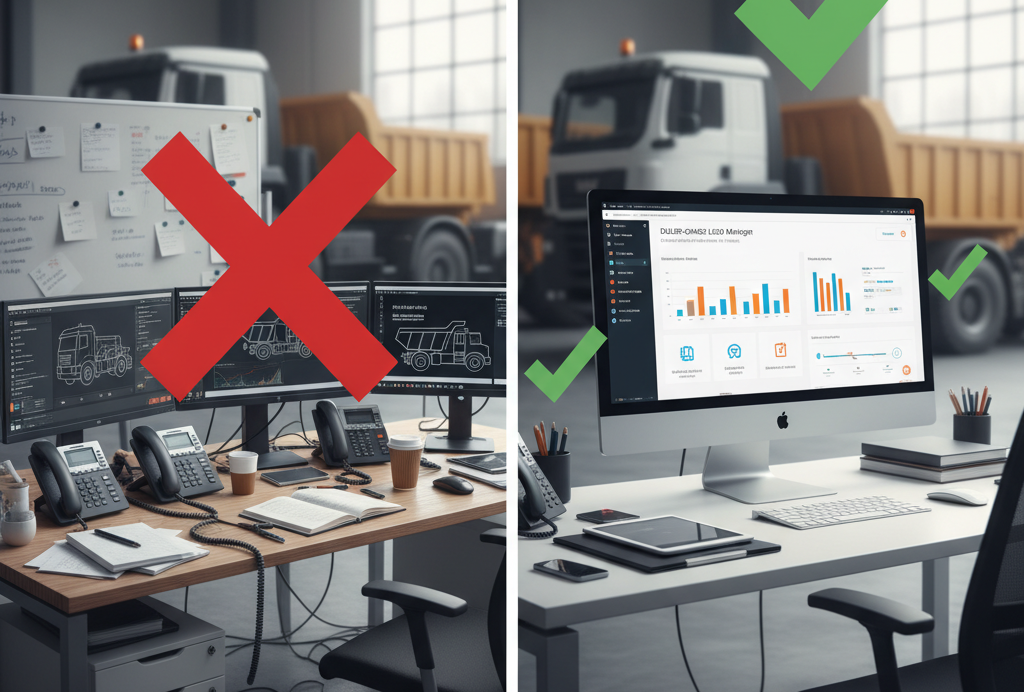
As an industrial lead manager consultant working with truck, construction, van, and forklift dealers across Europe, I see the same operational challenge every day. Dealerships are drowning in leads, but those leads are scattered across a dozen different channels. Meanwhile, sales teams waste hours chasing notifications instead of closing deals. This fragmentation isn’t just inconvenient—it directly costs you sales and revenue.
Most dealerships operate in a multichannel reality. Leads arrive from Autoline, TruckScout24, or Mascus via email. Then, a WhatsApp message comes in about a specific forklift. Later, a phone call references a van listing on Mobile.de. Without a centralized system, each of these inquiries exists in isolation. Consequently, sales reps miss connections, duplicate efforts, and let hot leads go cold simply because they couldn’t see the full picture.
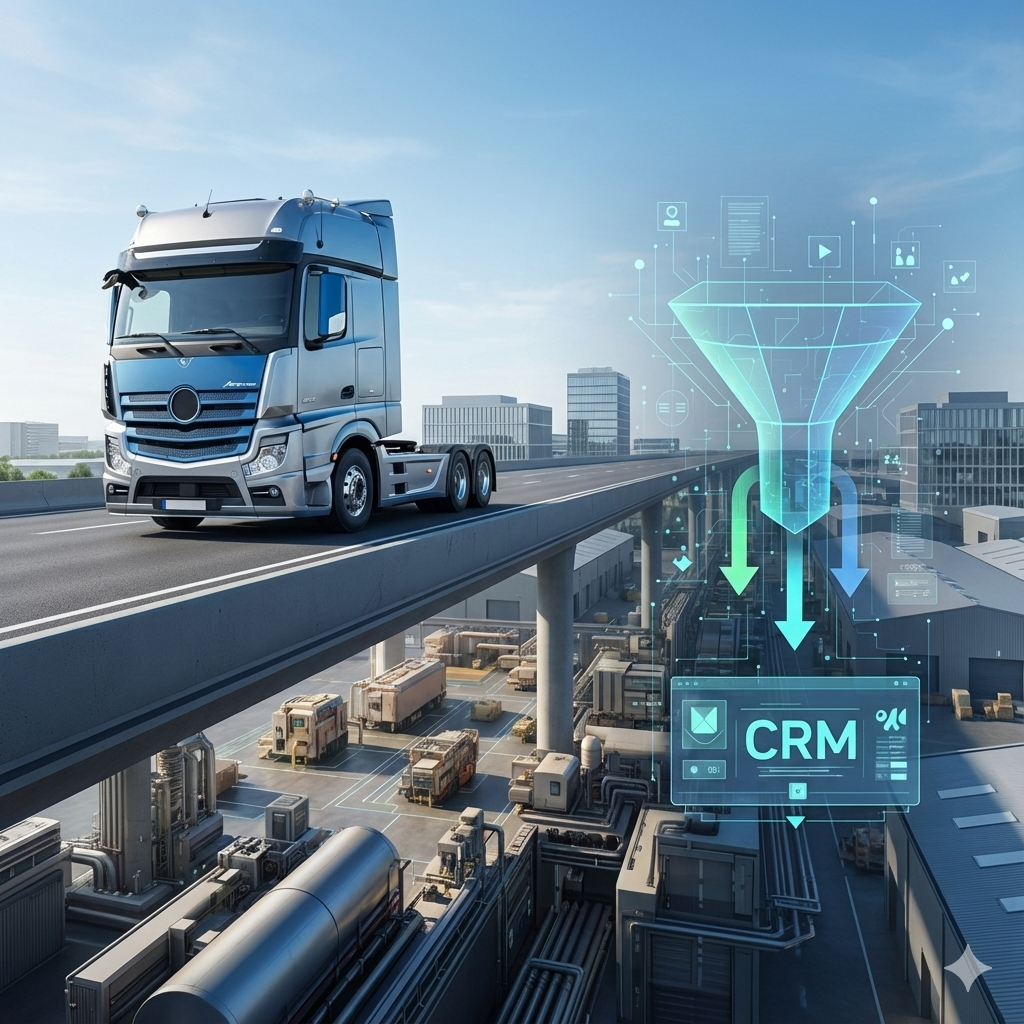
The solution isn’t more manpower; it’s better lead management. By centralizing every lead into one platform, you shift from a stressful multichannel scramble to a controlled omnichannel strategy. This guide will show you exactly how to achieve that, using practical steps proven in industrial vehicle sales. First, let’s examine why your current approach is likely holding you back.
Why Industrial Vehicle Dealers Must Centralize Leads Now
Industrial vehicle sales—whether trucks, construction equipment, vans, or forklifts—involve long, complex cycles and high-value transactions. A single lost lead can mean tens of thousands in missed revenue. Unfortunately, the very marketplaces that drive your business also create your biggest operational headache.
The Marketplace-Driven Lead Flood
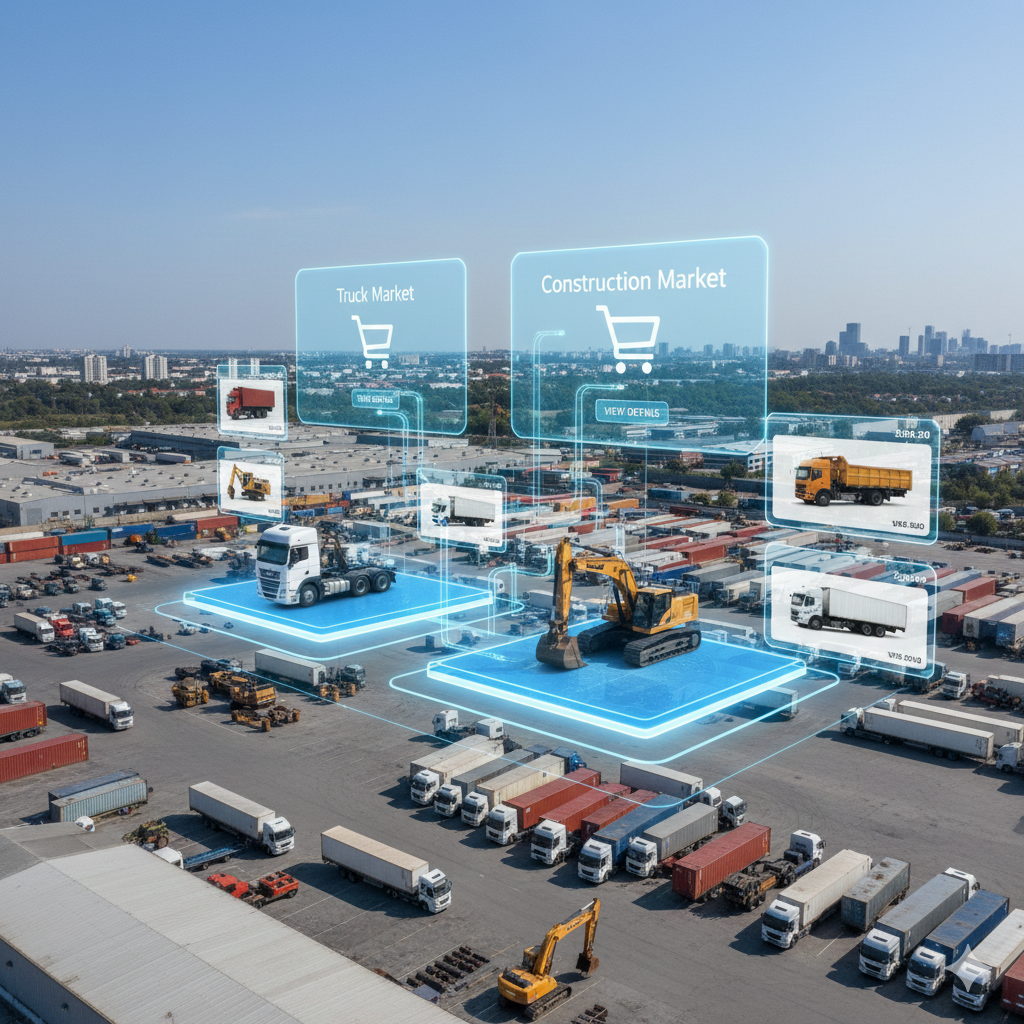
European dealers today rely heavily on B2B classified platforms. For instance, a truck dealer might list on Truck1, Via Mobilis, and TrucksNL simultaneously. Each platform generates leads through its own messaging system, which typically forwards to a generic company email inbox. Simultaneously, buyers often follow up directly via WhatsApp or phone using contact details from the listing. This creates multiple parallel conversations about the same asset, managed through different apps and by different team members.
In practice, this leads to several critical failures. First, response times slow down as reps check multiple inboxes. Second, lead qualification becomes inconsistent because no single person sees all interactions. Third, you lose the ability to track which marketplace actually delivers the best ROI. Ultimately, you’re managing channels, not leads, which is a fundamental strategic error.
The High Cost of Fragmented Lead Management
Let’s quantify the problem with a real-world example. A mid-sized construction machinery dealer in Germany lists 50 assets across four marketplaces. Each week, they receive approximately 80 inquiries: 50 via marketplace emails, 20 via WhatsApp, and 10 via phone calls. Currently, two sales reps split the responsibility based on marketplace. However, because leads aren’t centralized, they face several issues daily.
Rep A might receive an email about an excavator from Mascus. Rep B gets a WhatsApp message about the same machine from a buyer who saw the Via Mobilis listing. Neither knows the other is already engaged. They might send conflicting information or, worse, make competing offers. Meanwhile, the lead’s interest and urgency score—which should trigger immediate follow-up—is never calculated because the data sits in separate silos. This operational chaos directly reduces conversion rates and frustrates both your team and your potential buyers.
From Multichannel Chaos to Omnichannel Control
The term “omnichannel” is often misused in sales. For industrial vehicle dealers, it doesn’t mean being present on every platform. Instead, it means providing a seamless, unified buying experience regardless of where the buyer starts their journey. Centralizing leads is the foundational step to achieve this. It transforms your dealership from reactive to proactive.
What Truly Changes When You Centralize
Imagine a Monday morning where your entire sales team logs into one system. Immediately, they see a unified dashboard showing all new leads from the past 24 hours, regardless of source. Each lead is automatically deduplicated, scored based on urgency and buyer intent, and assigned according to clear rules—perhaps by language, geographic region, or equipment specialty.
Now, when a Belgian contractor inquires about a fleet of vans via Mobile.de, that inquiry is captured instantly. If the same contractor later calls the office, the system recognizes the phone number and attaches the call log to the existing lead profile. The sales rep can see the full history: the initial email, the call summary, and any previous WhatsApp messages. This context allows for informed, personalized follow-up that dramatically increases trust and accelerates the sales cycle.
The Operational Blueprint for Centralization
Implementing a centralized lead management system requires a clear process. First, you must identify every lead entry point. For most dealers, this includes: professional B2B marketplaces (e.g., TruckScout24, Mascus), your own website contact forms, direct phone lines, dedicated WhatsApp business numbers, and even SMS inquiries. Next, you need a tool that can automatically capture inquiries from all these channels without manual entry.
Critically, the system must be built for industrial sales cycles. A generic CRM designed for shorter B2C transactions will fail. Why? Because it won’t understand the need to track an asset (like a specific crane or forklift) across multiple conversations over weeks or months. It won’t automatically link a marketplace inquiry to the correct inventory item. A specialized lead manager, however, is designed precisely for this workflow, treating the vehicle or machinery as the central object around which all communication orbits.
Capturing Every Lead: Marketplaces, WhatsApp, Calls & Email
The first technical hurdle in centralization is capture. Leads arrive in different formats and protocols. A marketplace lead is typically an email forwarded from the platform’s no-reply address. A WhatsApp message is a cloud-based chat. A phone call is a voice recording or note. A robust system must ingest all these formats and normalize them into a single, structured lead profile.
Automating Marketplace Lead Capture
For marketplaces like Autoline, Truck1, or Leboncoin B2B, automation is non-negotiable. Manually copying leads from emails into a spreadsheet or CRM is a massive time sink and introduces errors. A specialized lead manager integrates directly with these channels. It parses the forwarded emails, extracts key data (buyer contact, asset ID, message content), and creates a lead record instantly. This happens 24/7, ensuring no inquiry sits unattended overnight or during weekends.
Moreover, a good system will enrich the lead with marketplace context. It can tag the lead with the source marketplace, helping you later analyze which platforms deliver the most qualified buyers for, say, used construction equipment versus new forklifts. This data is gold for strategic marketing budget allocation.
Unifying Conversations: WhatsApp, Phone & SMS
Buyers increasingly use messaging apps for business inquiries. They send a WhatsApp message with a photo of a truck listing asking for availability. Or they call after seeing a van online. These conversations are often the most qualified, as they indicate high intent. Yet, they are notoriously difficult to track and attribute.
Centralization means bringing these conversations into the same system as your email leads. This can be achieved through integrations that log WhatsApp chats and call summaries directly into the lead’s timeline. The result is a complete communication history. When a sales rep prepares to call a lead back, they can review not just the initial email, but also the WhatsApp chat where the buyer asked specific technical questions. This level of preparation makes conversations more effective and builds buyer confidence.
Deduplication & Lead Scoring: The Intelligence Layer
Once leads are captured, the next challenge is making sense of the volume. Not all leads are equal. A quick “price?” message from an unverified number is different from a detailed inquiry from a known fleet manager referencing a specific truck VIN. Centralization without intelligence is just a bigger inbox. You need automated deduplication and scoring to prioritize effort.
Stopping Duplicate Work & Confusion
Deduplication is critical in industrial sales because buyers often contact you through multiple channels about the same asset. As mentioned earlier, they might email via a marketplace, then call the sales desk. Without deduplication, this creates two separate lead records for the same person and opportunity. Sales reps might contact them twice, or worse, give different information.
An effective system uses rules to identify duplicates. It matches phone numbers or email addresses. This ensures every buyer has a single, comprehensive profile. It also prevents your team from wasting time on administrative cleanup and avoids embarrassing double-contacts that make your dealership look disorganized.
Prioritizing with Lead Scoring
Lead scoring assigns a numerical value to each inquiry based on signals of buyer intent and fit. For industrial vehicles, relevant signals include: mention of a specific asset ID or VIN, questions about financing or delivery (indicating serious consideration), company domain in the email, and recency/frequency of contact.
A centralized system can apply scoring rules automatically. For example, an inquiry containing “I want to buy the Volvo FH16 on Truck1, stock #12345” gets a high score. A generic “send me your truck list” gets a lower score. The sales dashboard then sorts leads by score, so reps always know which conversations to tackle first. This directly translates to faster response times for hot leads and higher overall conversion rates.
Fair Distribution & Automated Workflows
With leads captured and scored, you must get them to the right salesperson efficiently. Manual distribution—like forwarding emails from a shared inbox—is slow and unfair. It leads to disputes over “who got the good lead” and creates bottlenecks. Automation solves this by applying clear, transparent rules.
Rules-Based Assignment for Dealer Networks
Industrial vehicle dealers often have teams or networks with specializations. One rep might handle construction equipment, another focuses on vans, and a third manages forklift sales. Or, you might have regional teams covering different parts of Europe. A centralized lead manager can distribute leads based on these rules.
You can set up rules like: “All leads for excavators go to Team Construction.” Or, “Leads from Italian marketplaces go to our Italian-speaking sales rep.” This ensures expertise matches the inquiry and prevents leads from falling through the cracks between teams. It also creates accountability, as every lead has a clear owner from the moment it arrives.
Accelerating Response with Automation
Speed is a massive competitive advantage in vehicle sales. Studies show responding within 10 minutes dramatically increases engagement. Manually crafting a first response to every lead is impossible at scale. However, with a centralized system, you can automate the first touch.
For example, when a new lead comes in from Mascus about a crane, the system can instantly send a personalized acknowledgment. This email can include the specific asset details, a link to more photos, and the sales rep’s contact information. The buyer gets immediate confirmation that their inquiry was received, building trust. The sales rep is notified but buys time to prepare a more detailed, personalized follow-up. This combination of automation and human touch is powerful.
Managing Long, Complex Sales Cycles in One Place
Industrial vehicle sales cycles can last weeks or months. A buyer might inquire about a truck, then go silent for three weeks while securing financing, then re-engage with specific questions. Traditional CRMs often fail here because they treat leads as linear pipelines. A specialized lead manager understands the cyclical, multi-touch nature of these deals.
The Unified Conversation Timeline
The core benefit of centralization becomes most apparent during long cycles. Every interaction—email, call, WhatsApp, SMS—is logged in a single, chronological timeline attached to the lead and the asset. When a buyer re-contacts after a silence, the sales rep can instantly review the entire history. They don’t need to search through old emails or ask colleagues, “Do you remember talking to this company about a forklift last month?”
This continuity is invaluable. It allows for follow-ups that reference previous conversations, demonstrating attentiveness and professionalism. For instance, “Following up on our call last month about the MAN TGX, you had asked about service history. I’ve now obtained the full records.” This level of detail is only possible with a centralized record.
Tracking Assets & Opportunities
In industrial sales, the asset (the truck, crane, van, or forklift) is central. A good system links leads directly to inventory items. This allows you to track interest levels for specific assets. If three different buyers are inquiring about the same bulldozer, you know demand is high and can adjust pricing or prioritization accordingly. Conversely, if an asset gets no leads, it might be overpriced or poorly marketed.
This asset-centric view also helps with remarketing. If a lead doesn’t buy the specific excavator they inquired about, but their profile indicates they’re a construction company in France, you can later automatically notify them about similar new arrivals that match their criteria. This turns one-off inquiries into long-term relationships.
Measuring What Matters: ROI, Conversion & Marketplace Performance
Centralization isn’t just about operational smoothness; it’s about measurable business improvement. When all lead data resides in one system, you gain unprecedented visibility into your sales engine. You can finally answer critical questions: Which marketplace delivers the most profitable leads? What’s our average time to first response? What’s the conversion rate from inquiry to test drive to sale?
Analytics for Strategic Decisions
Generic CRMs provide basic activity reports. A lead manager built for industrial sales provides channel-specific analytics. You can generate reports showing: Lead volume by marketplace (e.g., Truck1 vs. Mobile.de), conversion rate per channel, and cost-per-lead if you integrate ad spend data.
This intelligence allows you to make data-driven decisions. Perhaps you discover that Via Mobilis generates many leads for vans, but they have a low conversion rate, while Mascus generates fewer leads for construction equipment but they convert at 40%. This might lead you to adjust your listing strategy or sales focus, maximizing your return on marketplace subscription fees.
Proving the Business Impact
The ultimate goal is to close more deals. Centralized lead management directly contributes to this. By reducing response times, improving lead qualification, and ensuring consistent follow-up, dealerships typically see measurable lifts in conversion. For example, many dealers report an increase in deal closure rates within the first few months of implementation, simply because hot leads are no longer missed or mishandled.
Furthermore, sales teams regain hours per week previously spent on administrative tasks like manual data entry and searching for information. This time is reinvested into actual selling activities—building relationships, negotiating, and closing. The system pays for itself not through vague “efficiency gains,” but through tangible revenue growth and cost savings.
Implementation Checklist for Industrial Vehicle Dealers
Ready to move from multichannel chaos to omnichannel control? Here is a practical, step-by-step checklist to centralize your leads effectively. This process is based on deployments with truck, construction, van, and forklift dealers across Europe.
- Audit Your Lead Sources: List every channel where inquiries arrive: all marketplaces (e.g., Autoline, TruckScout24, Mascus), website forms, phone numbers, WhatsApp/SMS numbers, and email aliases.
- Choose a Specialized Lead Manager: Select a tool built for industrial vehicle sales cycles, not a generic CRM. Ensure it can automatically capture from your key marketplaces and communication channels.
- Map Your Sales Process: Define your ideal workflow: How should leads be scored? What rules govern assignment (by language, marketplace, round robin)?
- Integrate & Capture: Connect the lead manager to your marketplaces, phone system, and messaging apps. Set up automatic ingestion so no manual entry is required for new inquiries.
- Train Your Team: Onboard sales reps on the single dashboard. Emphasize the benefit of a unified view and teach them how to use the timeline and automation features.
- Define KPIs & Review: Agree on key metrics to track: average response time, lead conversion rate, source performance. Schedule weekly reviews to optimize the process.
Following this checklist will systematically eliminate the fragmentation that plagues most dealerships. The transition requires an initial investment of time and focus, but the payoff in reduced stress, higher team morale, and increased sales is substantial and rapid.
Frequently Asked Questions for Industrial Vehicle Companies
Q: We use a general CRM already. Why do we need a specialized lead manager?
A: Generic CRMs are designed for linear sales pipelines and often require manual data entry. They struggle with the automated, multi-touch, asset-centric nature of industrial vehicle sales. A lead manager like Aello Copilot is built specifically to capture, deduplicate, score, and distribute leads from professional B2B marketplaces and messaging channels automatically, treating the vehicle as the central object. This specialization saves hours per rep per week and directly boosts conversion rates.
Q: How difficult is it to integrate with all our different marketplaces?
A: Integration is typically straightforward. A specialized system will have pre-built connectors or parsing rules for major European platforms like Truck1, Mobile.de, and Mascus. It works by connecting to the email inbox where marketplace notifications are forwarded. Setup is usually a matter of providing access and mapping fields, handled by implementation specialists familiar with the industry.
Q: Our sales team is resistant to new tools. How do we ensure adoption?
A> Focus on the immediate pain points it solves for them: no more missing leads, no more digging through separate apps, automated reminders for follow-ups, and a fair distribution system. The single dashboard actually simplifies their daily work by bringing all information to one place. Start with a pilot group, show them the time savings (4-7 hours per week is common), and let them become advocates.
Q: Can it handle our complex dealer network with multiple locations and languages?
A> Absolutely. This is a core strength. You can set distribution rules based on geography, language (e.g., French-speaking leads to your French team), equipment specialty, or even specific marketplace. All leads are centralized at the network level, but routing and reporting can be configured per branch or team, providing both global visibility and local control.
Q: What kind of ROI can we realistically expect?
A> The return comes from two main areas: revenue increase and cost reduction. On revenue, dealers often see an 8%+ improvement in deal closure rates within months due to faster, more consistent follow-up on hot leads. On cost, each sales rep saves 4-7 hours weekly on administrative tasks, which can be reinvested in selling or reduce overtime costs. The system typically pays for itself quickly through these combined effects.
Take Control of Your Lead Flow Today
The challenge of scattered leads across marketplaces, email, WhatsApp, and calls is not unique to your dealership—but your solution can be. Continuing with manual, fragmented processes means accepting lost sales, frustrated teams, and invisible ROI from your marketplace investments. The alternative is a centralized, automated lead management strategy that transforms efficiency and drives growth.
As an industrial lead manager consultant, I’ve seen this transformation firsthand. Dealers who centralize regain control. They respond faster, sell more, and make strategic decisions based on data, not guesswork. Their teams are happier and more productive. Their buyers experience a professional, seamless journey that builds trust and loyalty.
You don’t need to overhaul your entire operation overnight. Start with a clear assessment of your current lead chaos, then explore a specialized tool designed for your industry’s long cycles and marketplace-driven demand. The first step is the most important.
Ready to centralize your leads and stop losing sales? See how a system built for industrial vehicle dealers can capture, qualify, and convert every inquiry from every channel. Book a free, personalized demo of Aello Copilot and discover how to turn your multichannel lead flood into a streamlined omnichannel revenue engine. Alternatively, contact our team of industry specialists for a confidential consultation on your specific dealership challenges. Take control of your lead management now.
Ready to take control of your leads?
Aéllo Copilot helps vehicle and machinery dealers capture, manage, and convert every lead from every channel.
Book your free demo →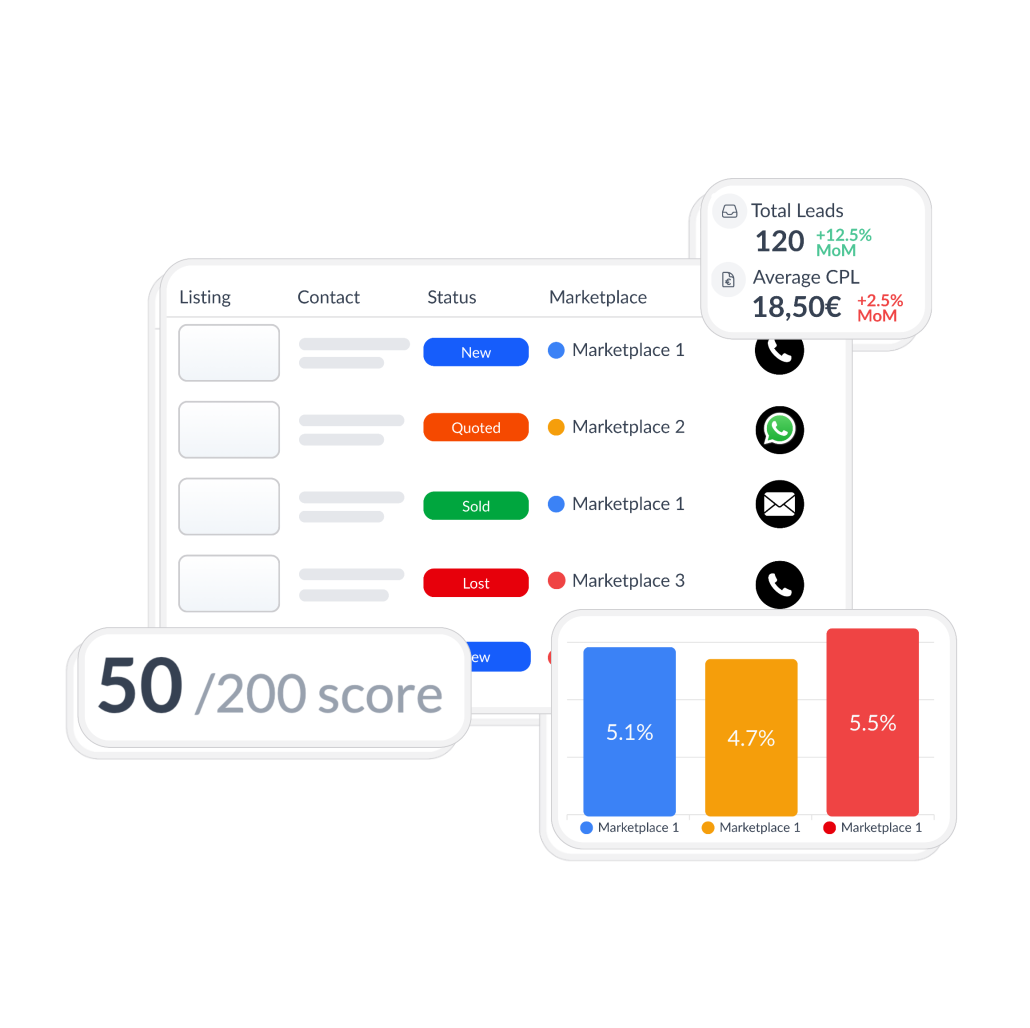





[…] How to Centralize Leads for Industrial Vehicle Dealers […]
[…] How to Centralize Leads for Industrial Vehicle Dealers […]